GIANNI VERSACE ARCHIVE
ERI KAKKAVA COLLECTION
The Eri Kakkava Collection is an archive dedicated to the work of the late Italian couturier Gianni Versace.
Rooted in a deeply personal and historical narrative, it charts a formative chapter of European fashion history through two intertwined stories: Eri Kakkava's role in bringing haute couture and ready-to-wear to Athenian society, and the full arc of Versace's design career, from his earliest collections through to his untimely death.
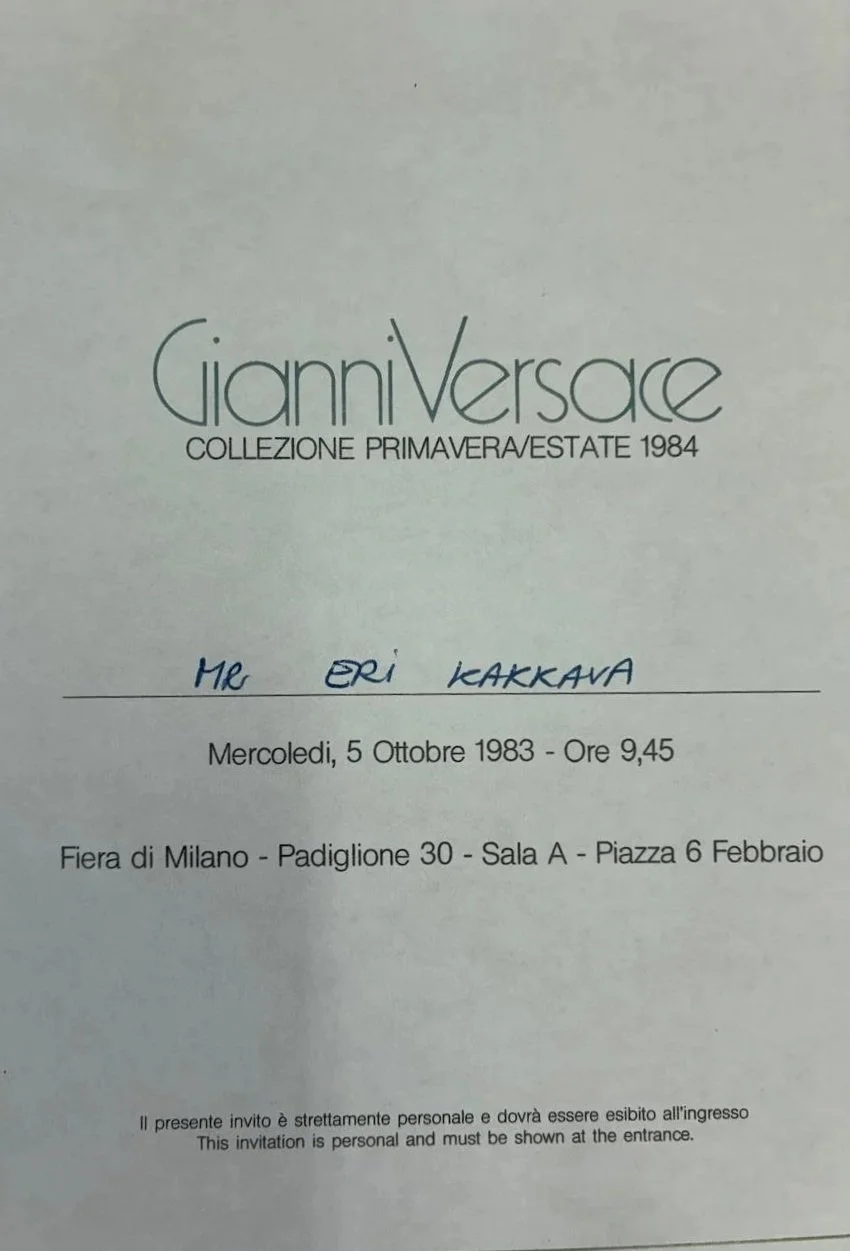
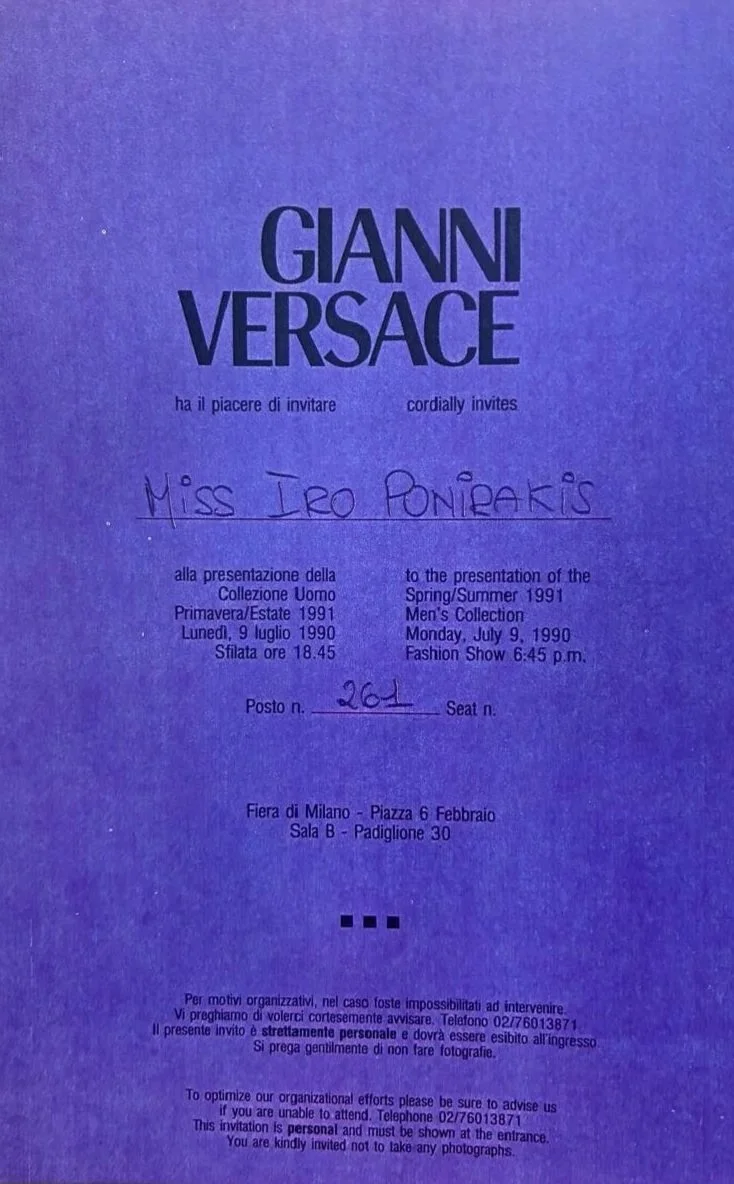
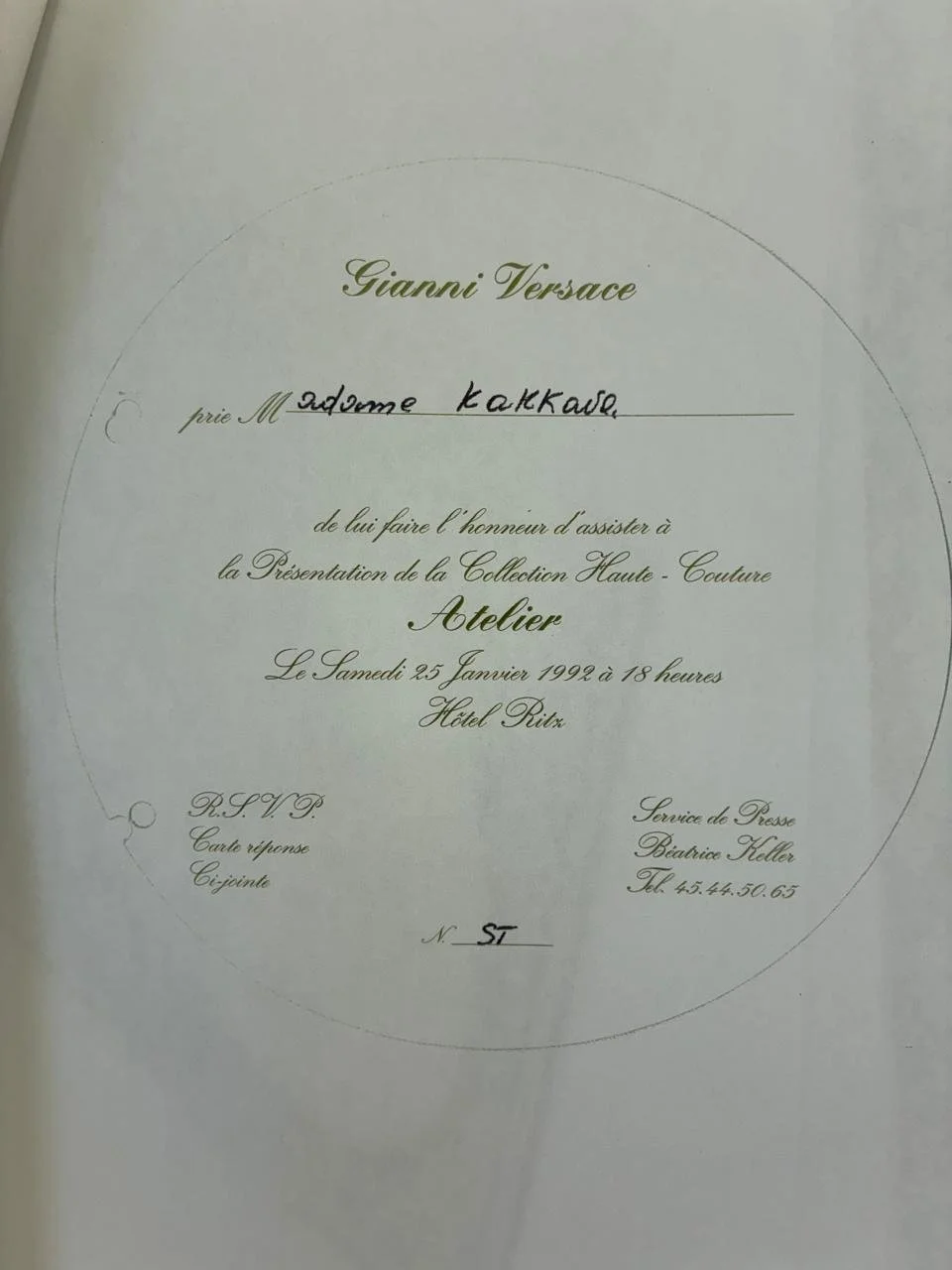
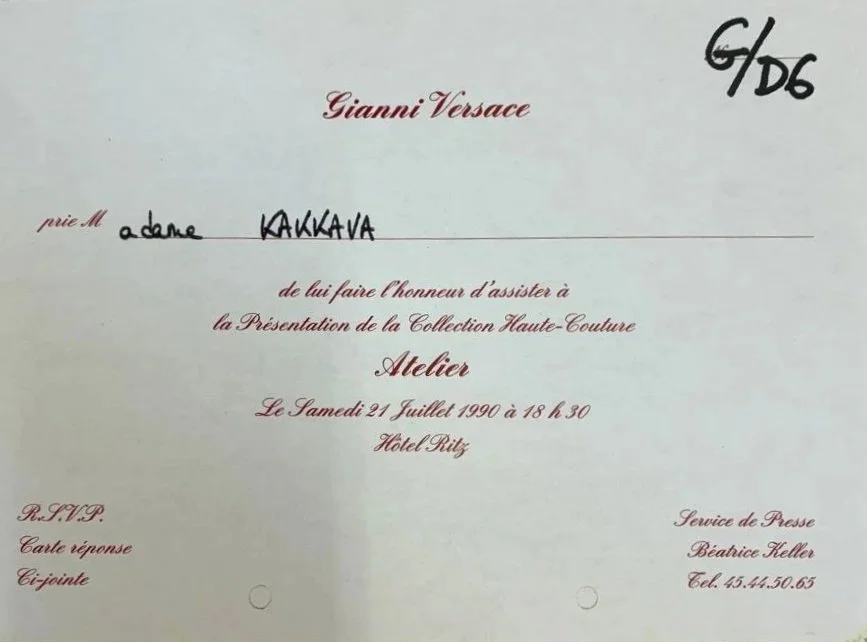
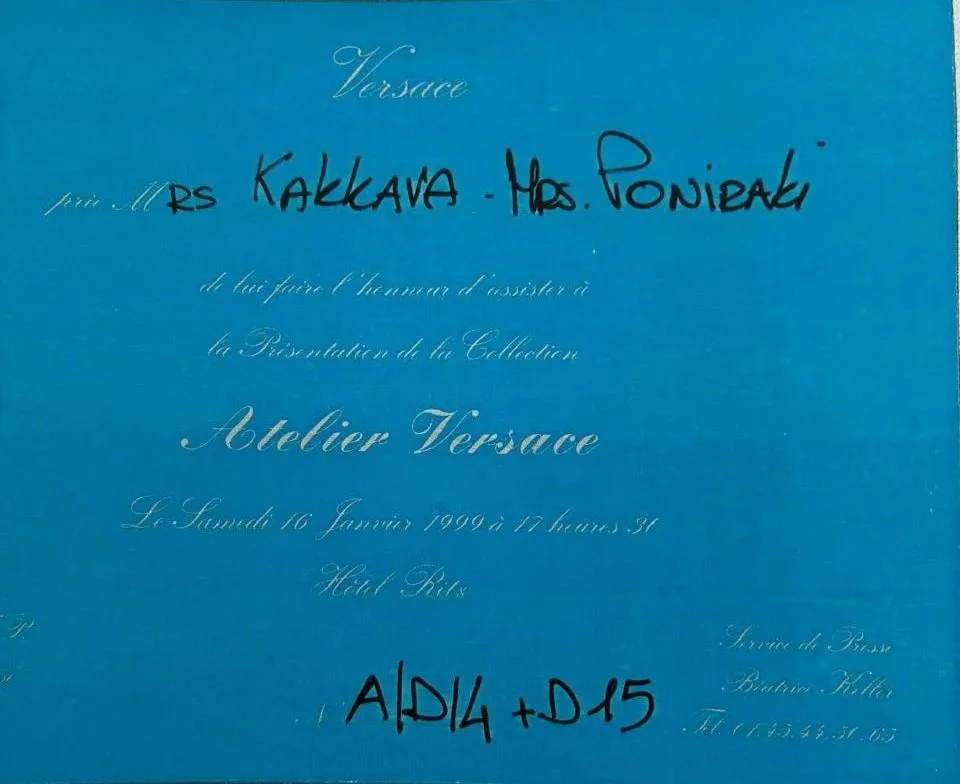
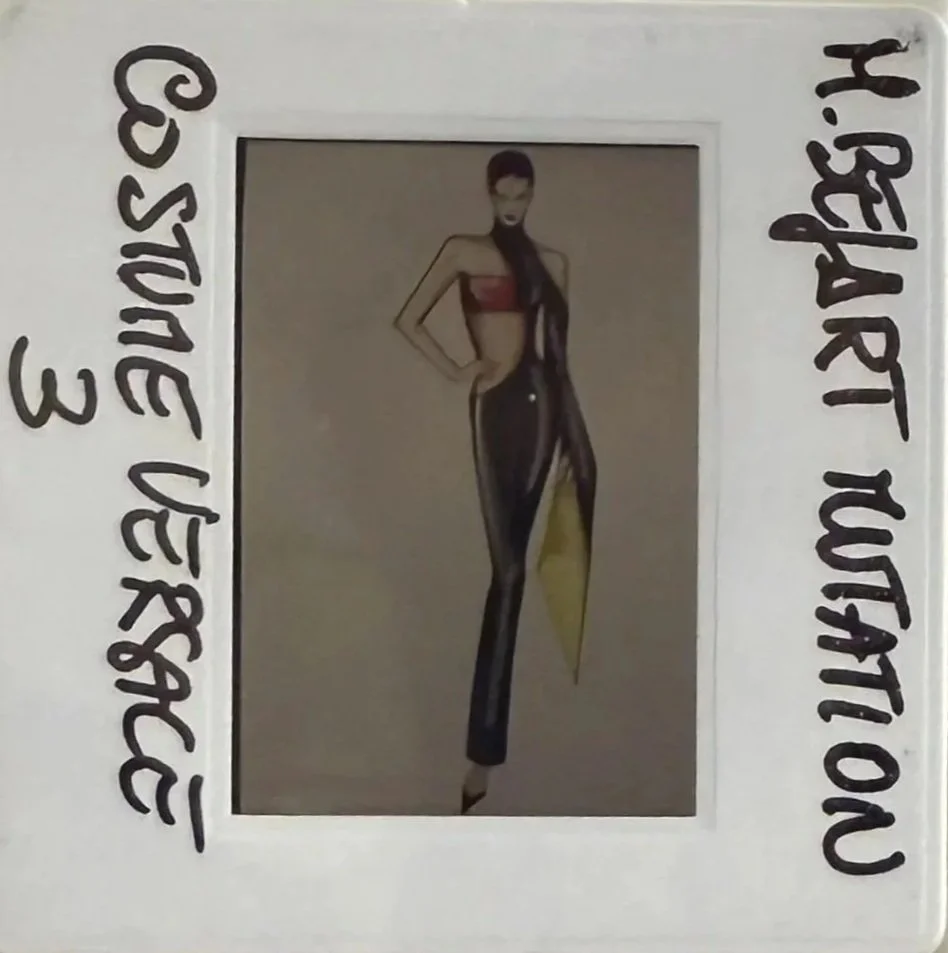
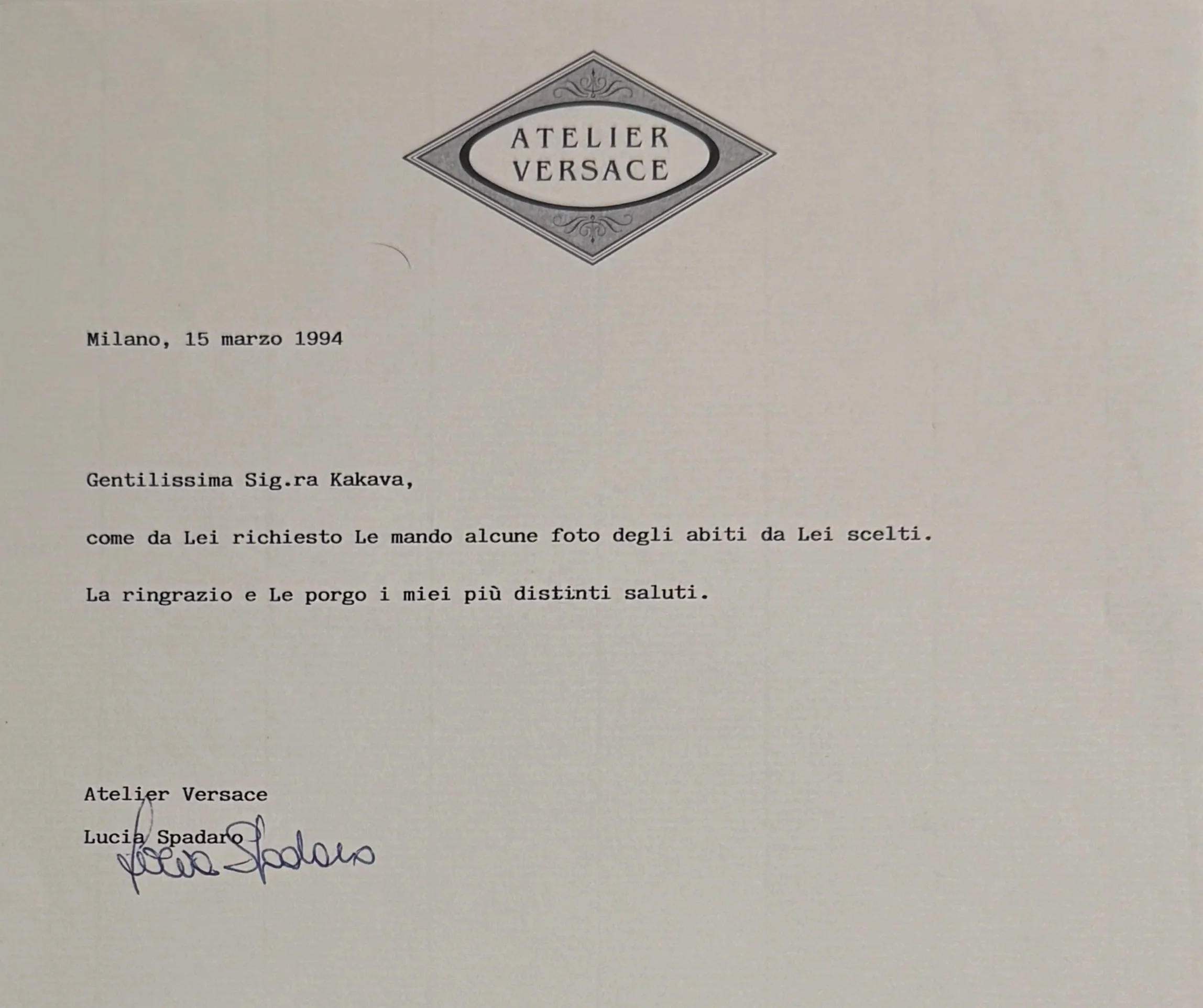
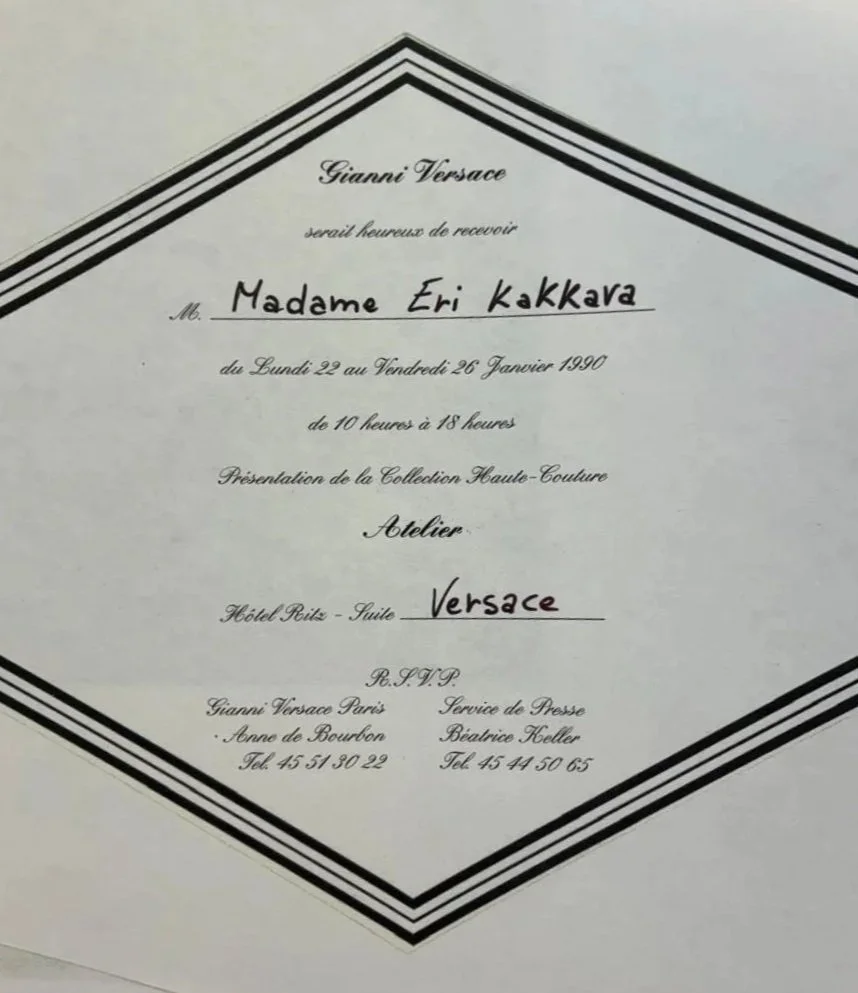
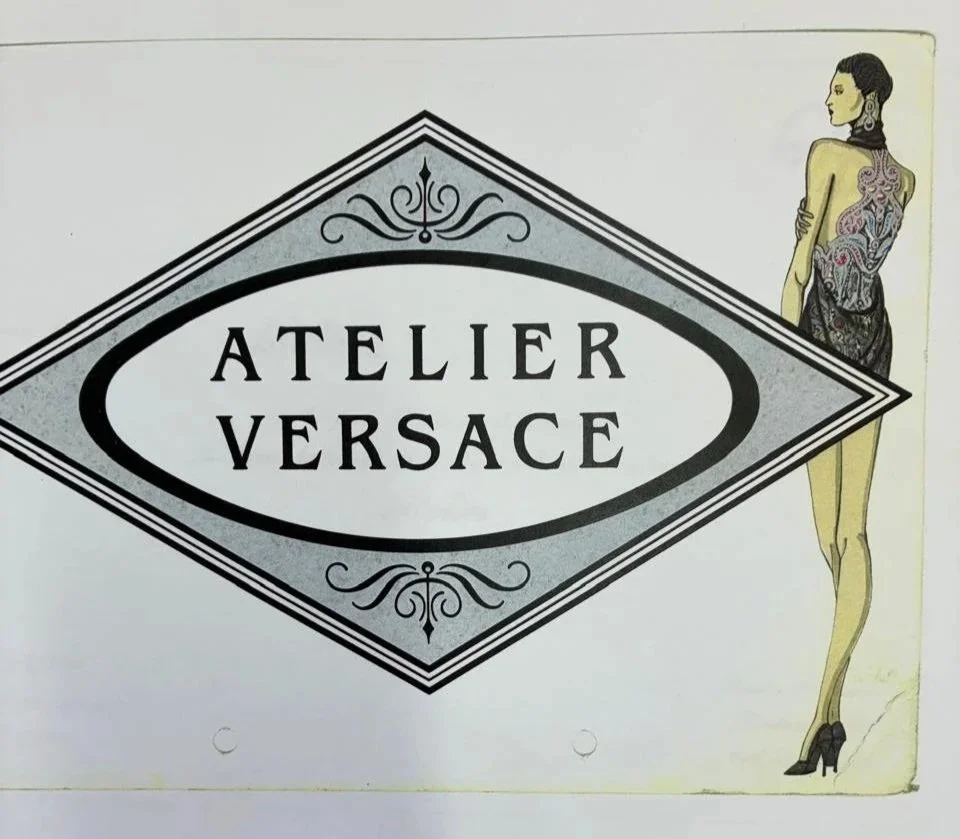
Numbering over 1,000 pieces, the archive spans Gianni Versace, Versace Couture, Atelier Versace and the label's diffusion line, Istante, with garments dating from 1979 to 1997 — capturing the energy and cultural shift of those two decades. Alongside ready-to-wear, rare couture, and an extensive range of accessories sits a parallel record of correspondence, photographs, and show invitations that traces a working relationship built on a shared appetite for daring, savoir-faire, and invention.
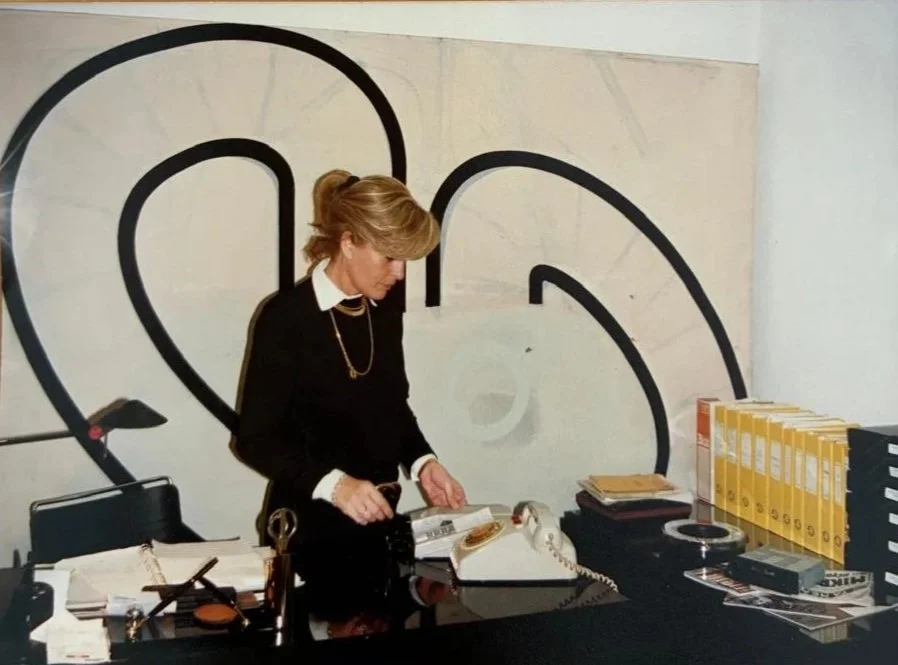
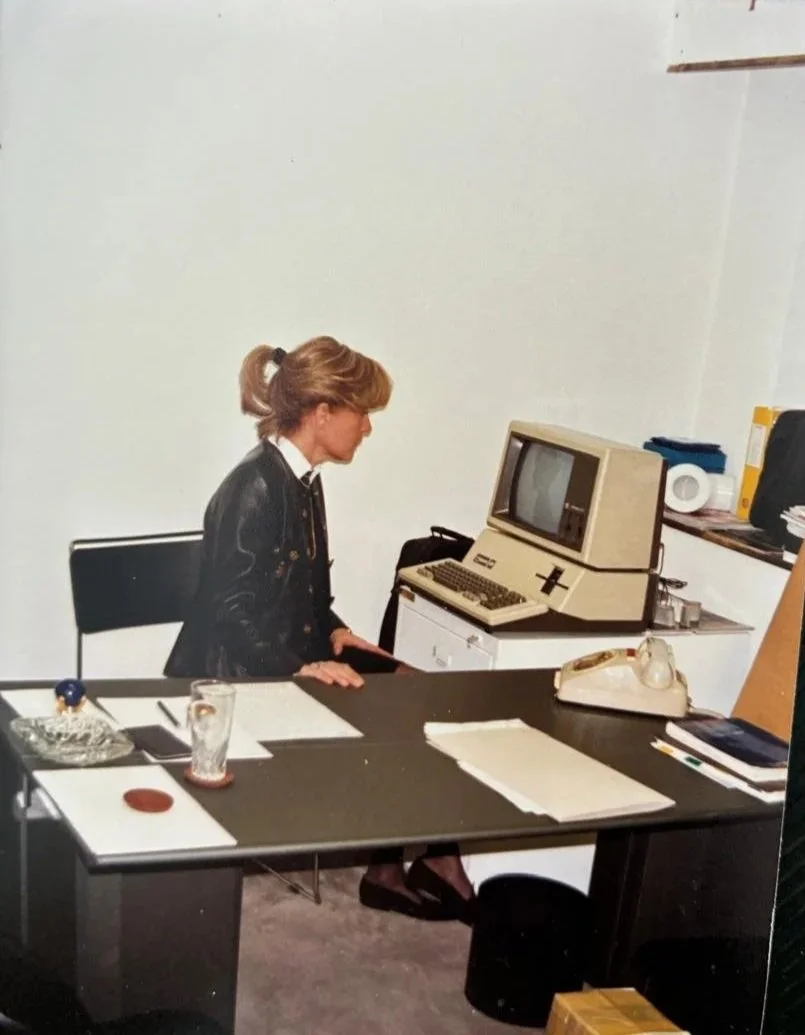
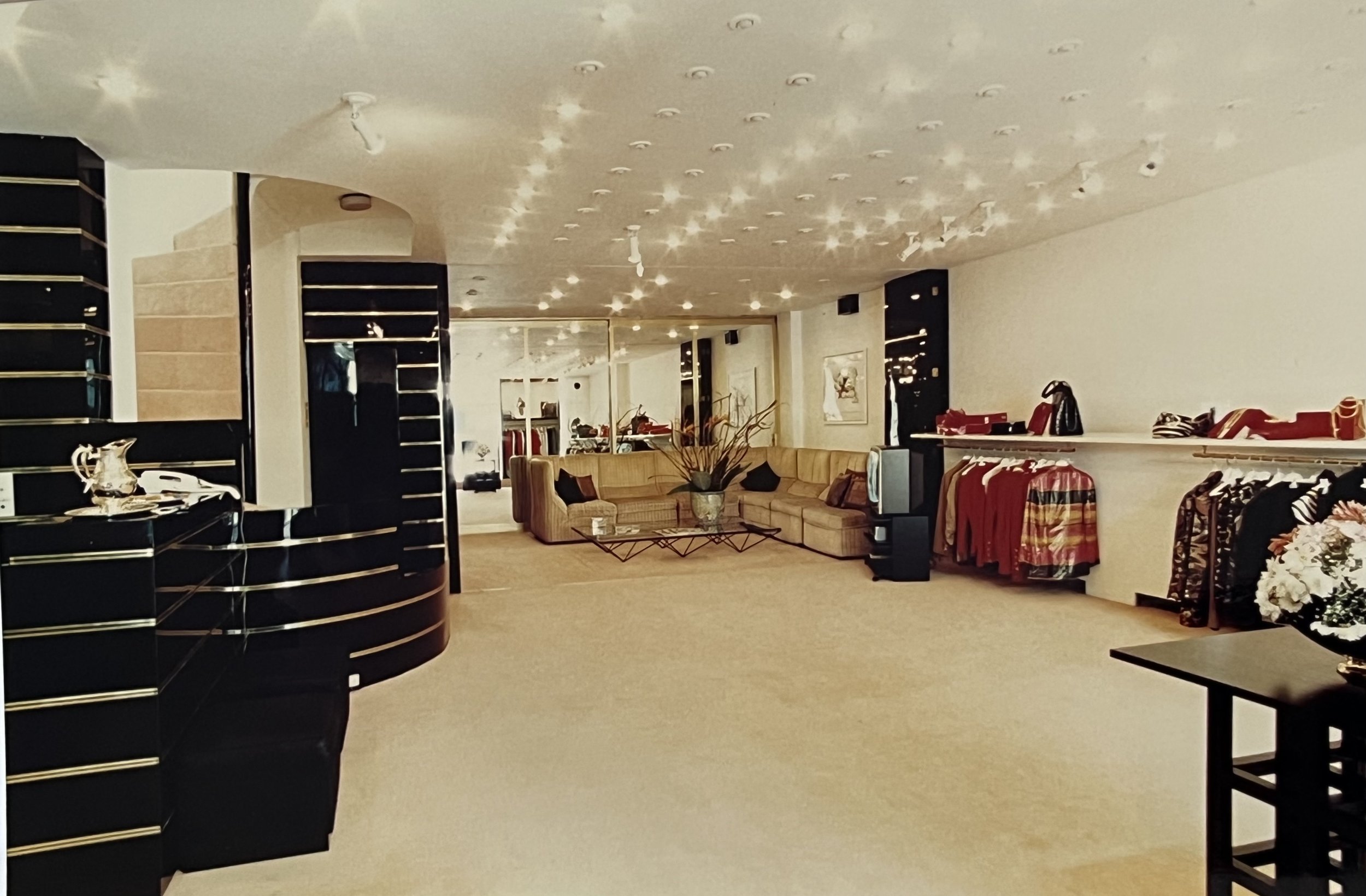
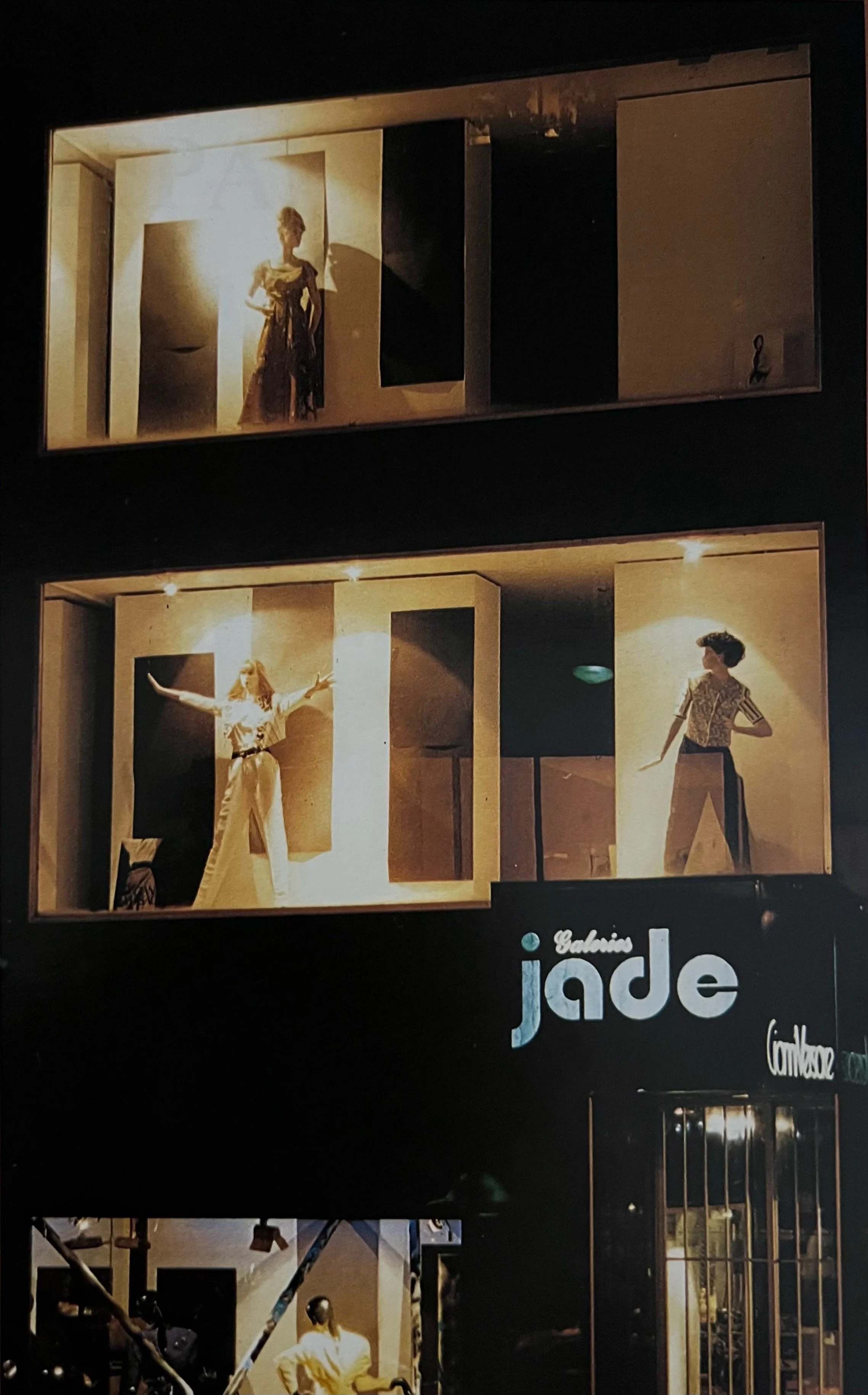
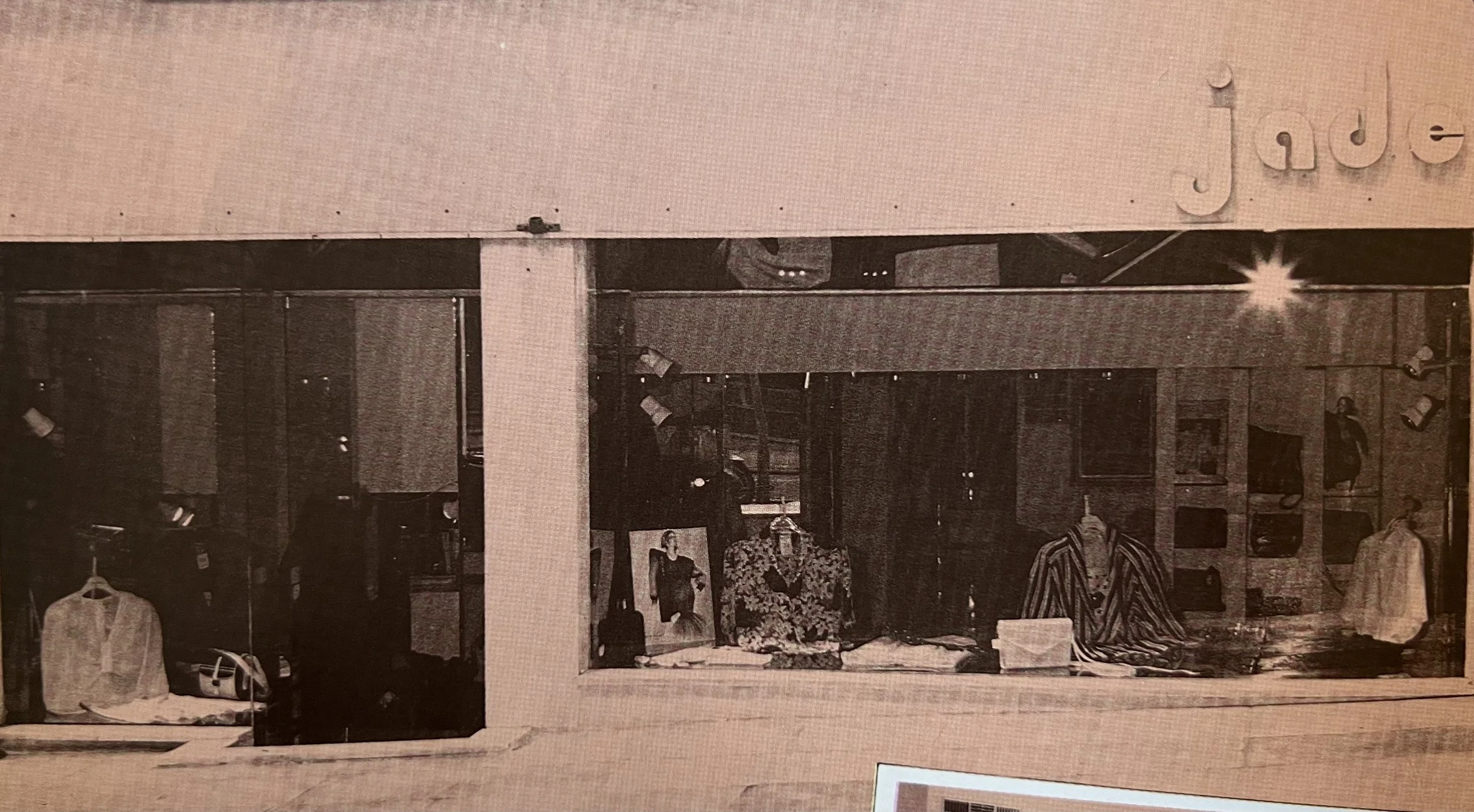
Anagnostopoulou 3, Athens, 1984
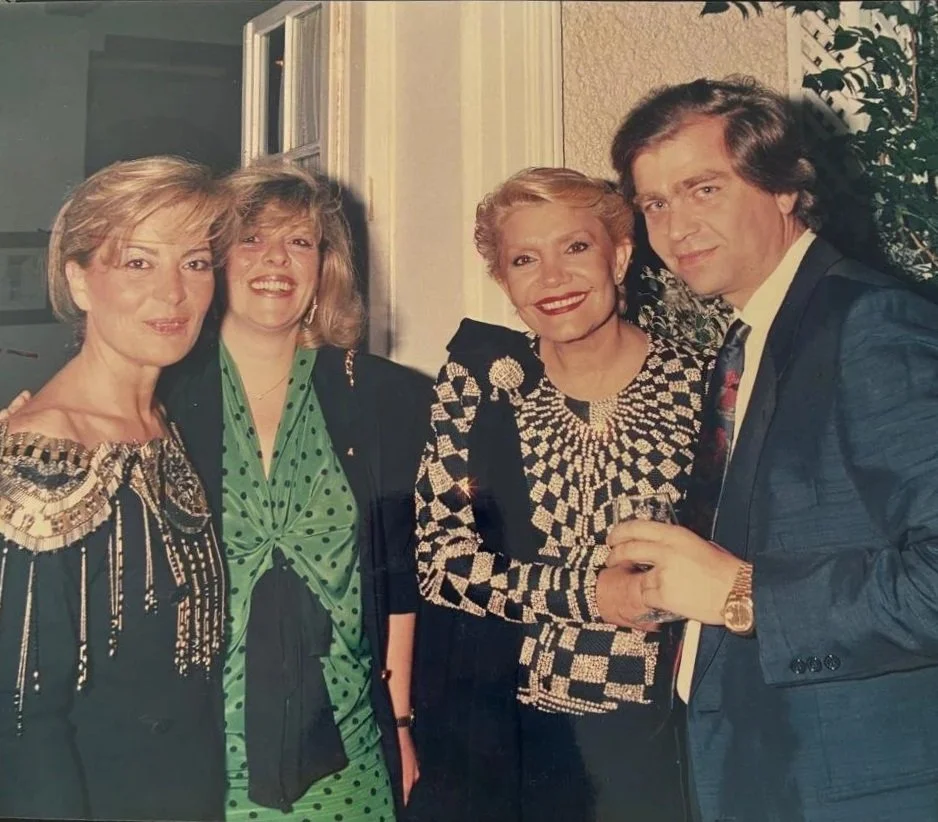
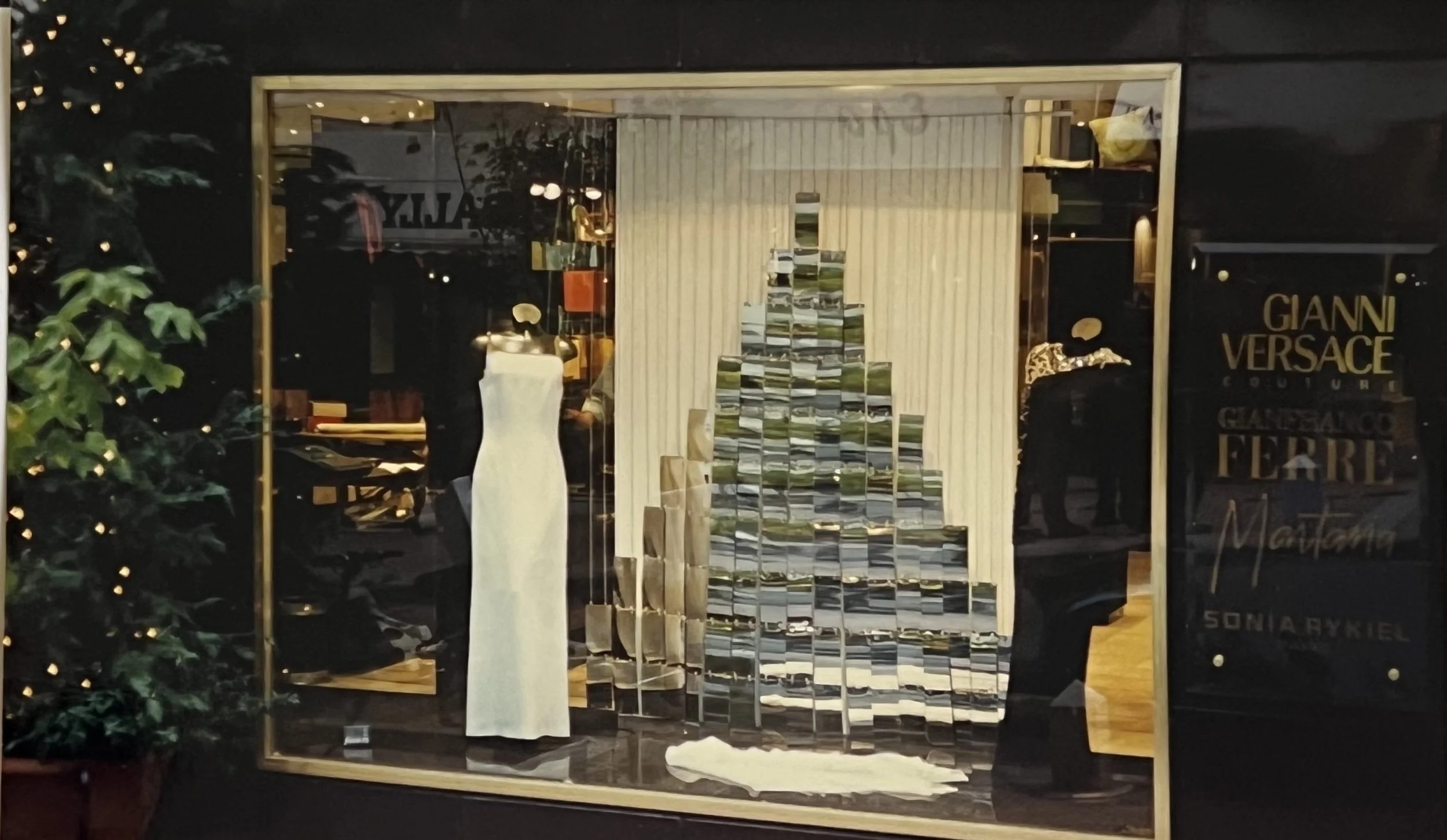
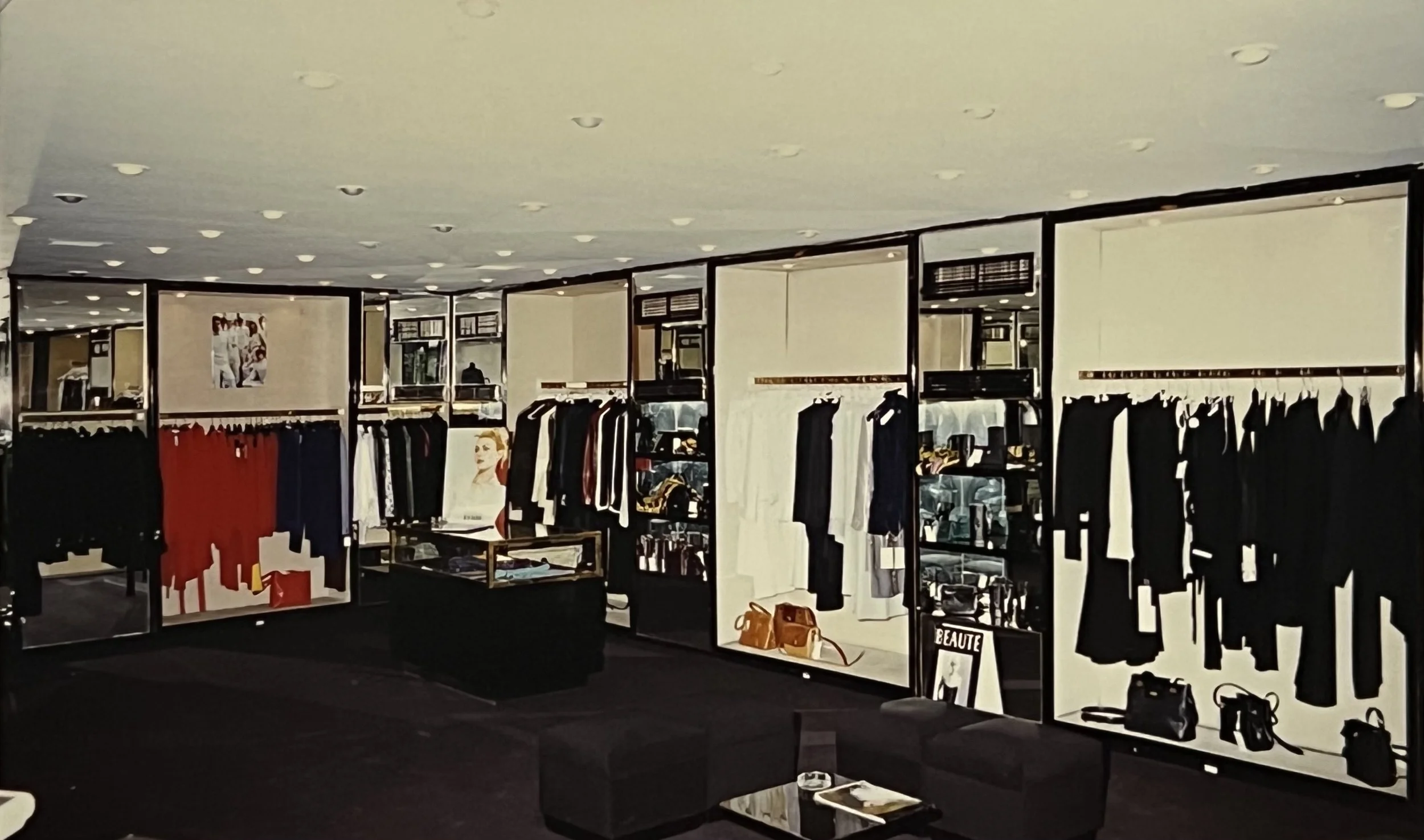
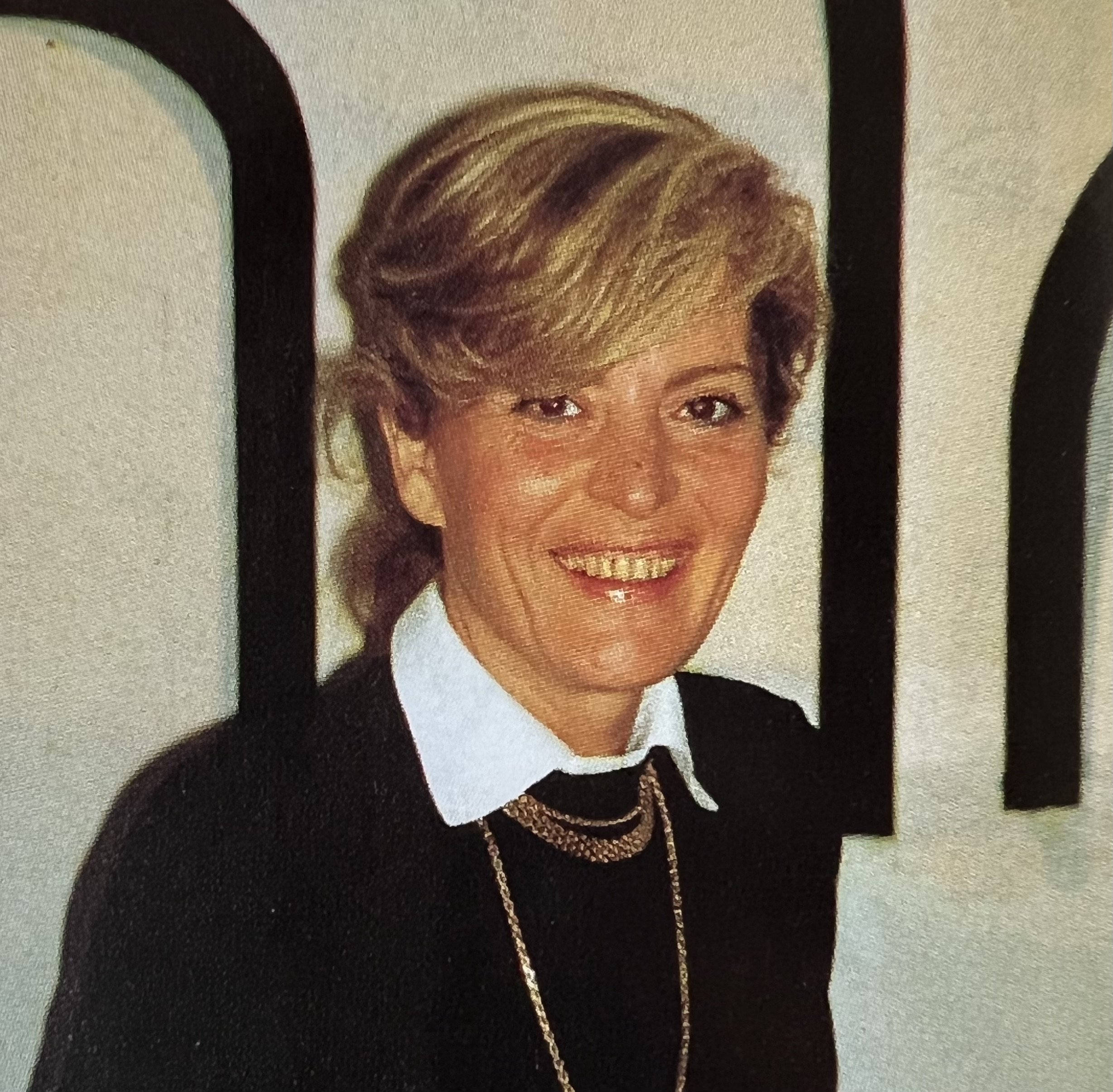
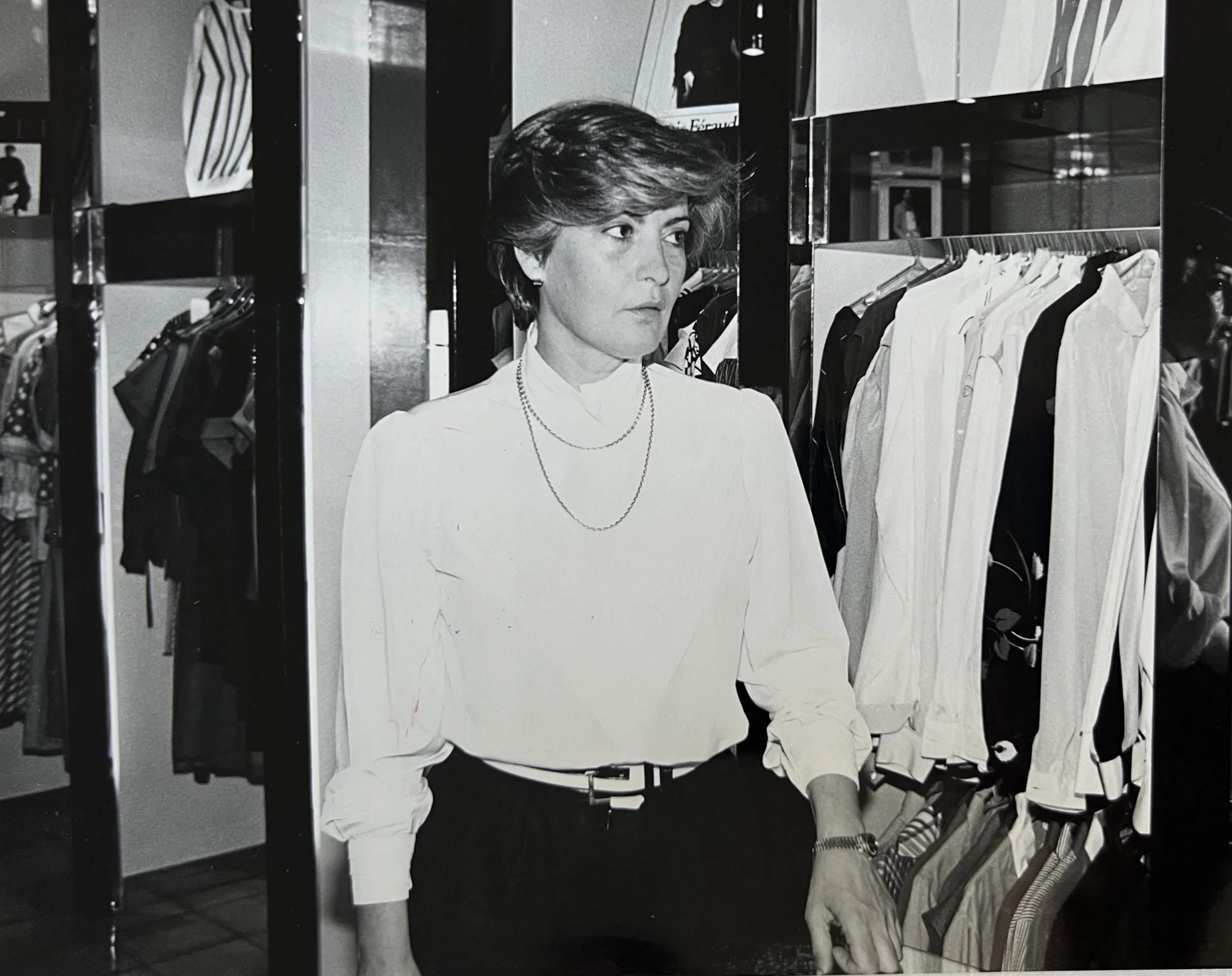
In 1967, Eri Kakkava opened Jade, the first Athens boutique devoted to imported designer fashion, changing the city's relationship with international style overnight. A sharp instinct for undiscovered talent led her to become the exclusive Greek representative for major fashion names including among others Gianfranco Ferre, Sonia Rykiel, Claude Montana, Courrèges and Lanvin; her business would eventually expand to seven stores across Athens.
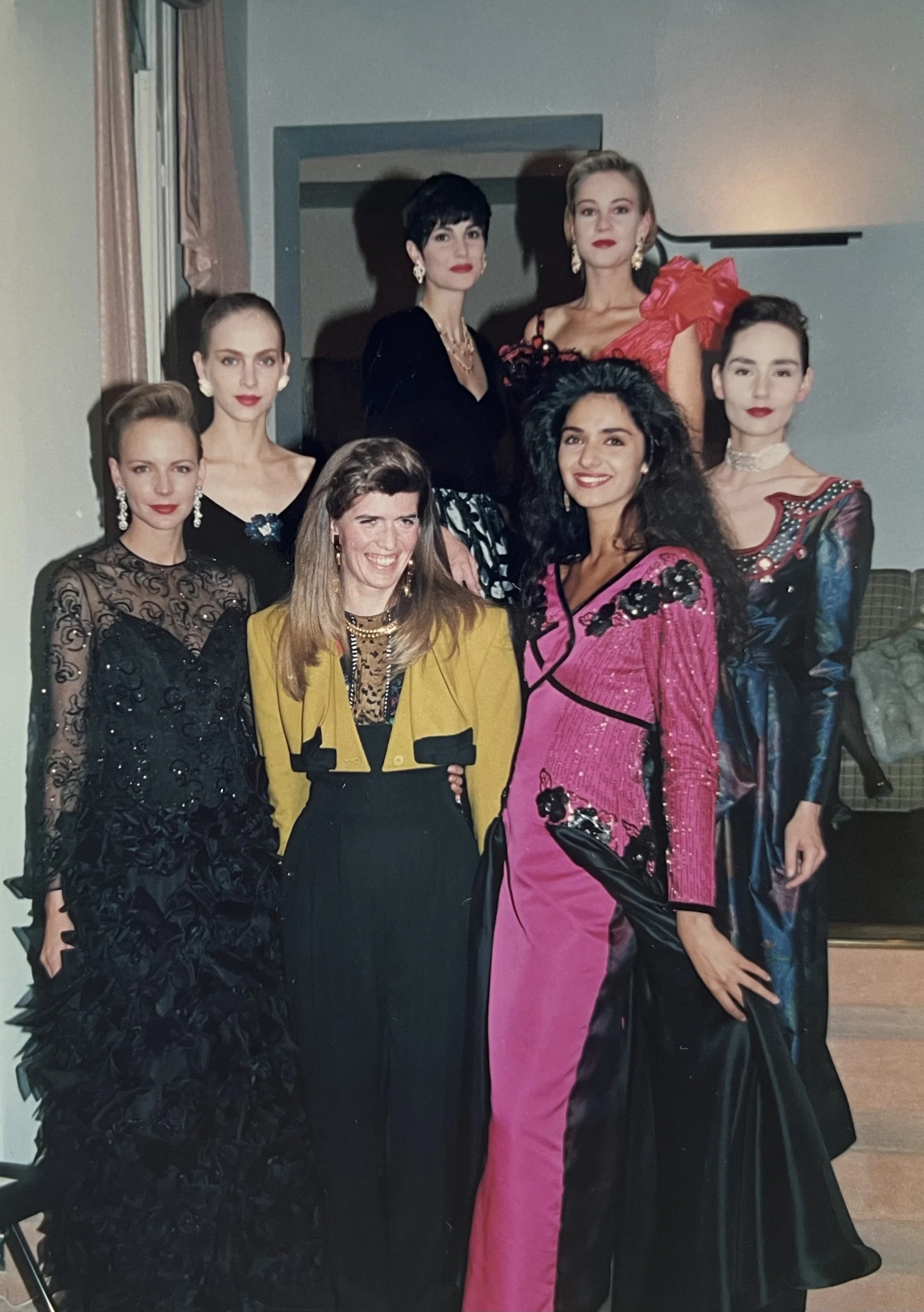
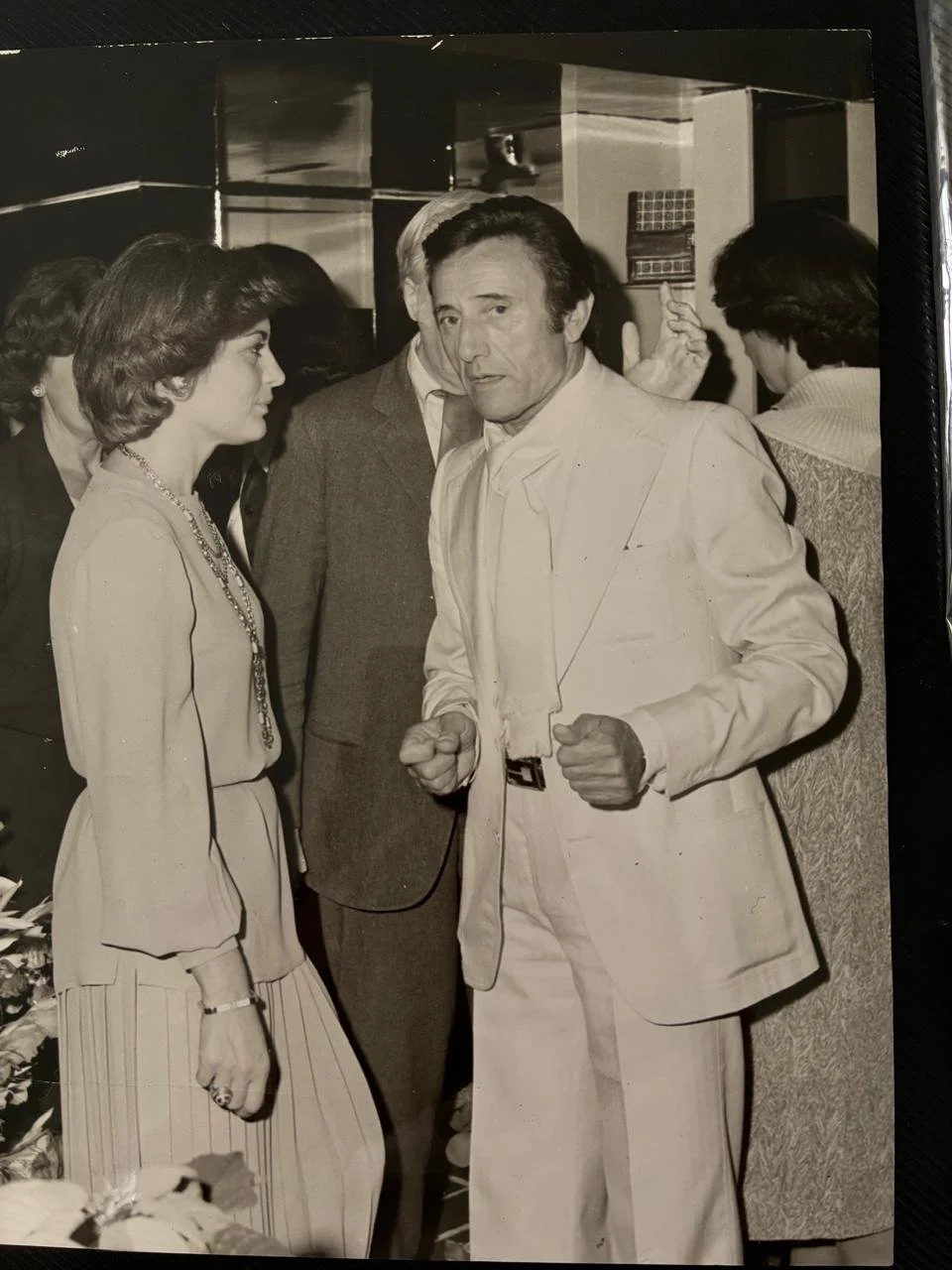
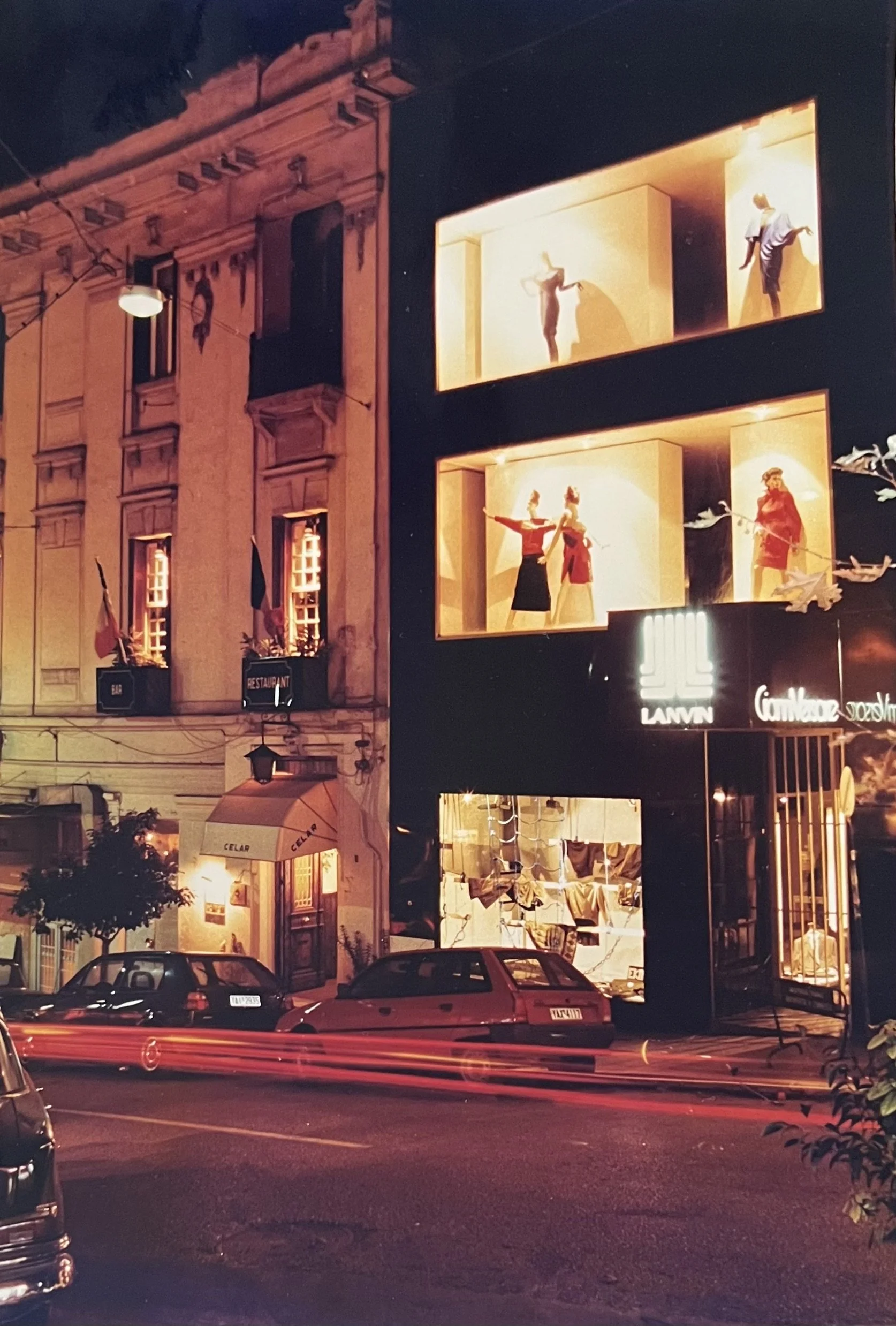
In 1979 came the collaboration that would define her career: bringing Gianni Versace to Athens as his exclusive retailer. From a neoclassical building in Kolonaki — the first two floors of her 350-square-metre Galeries Jade — she introduced his collections to the Athenian public, staging private shows that often featured international models.
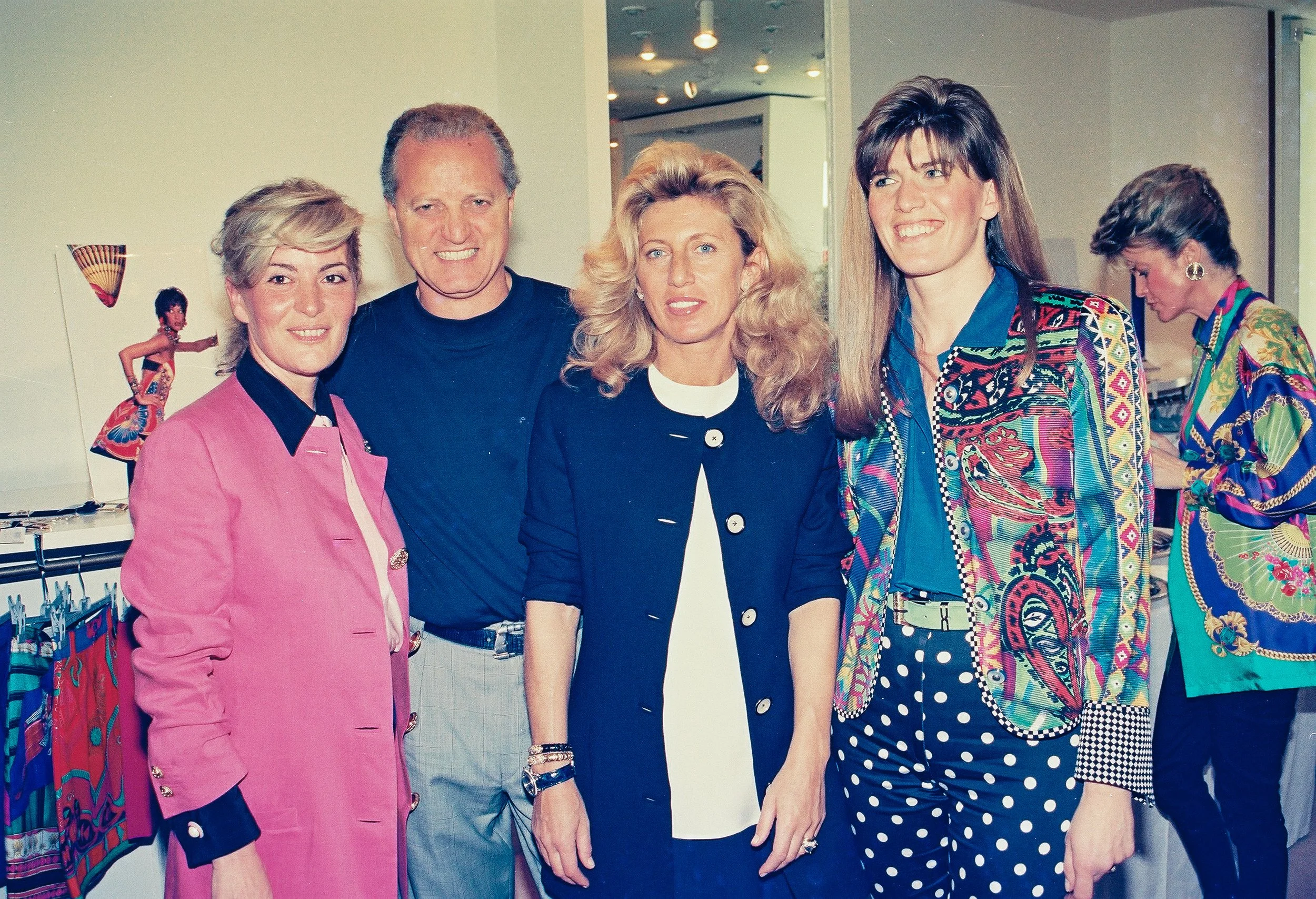
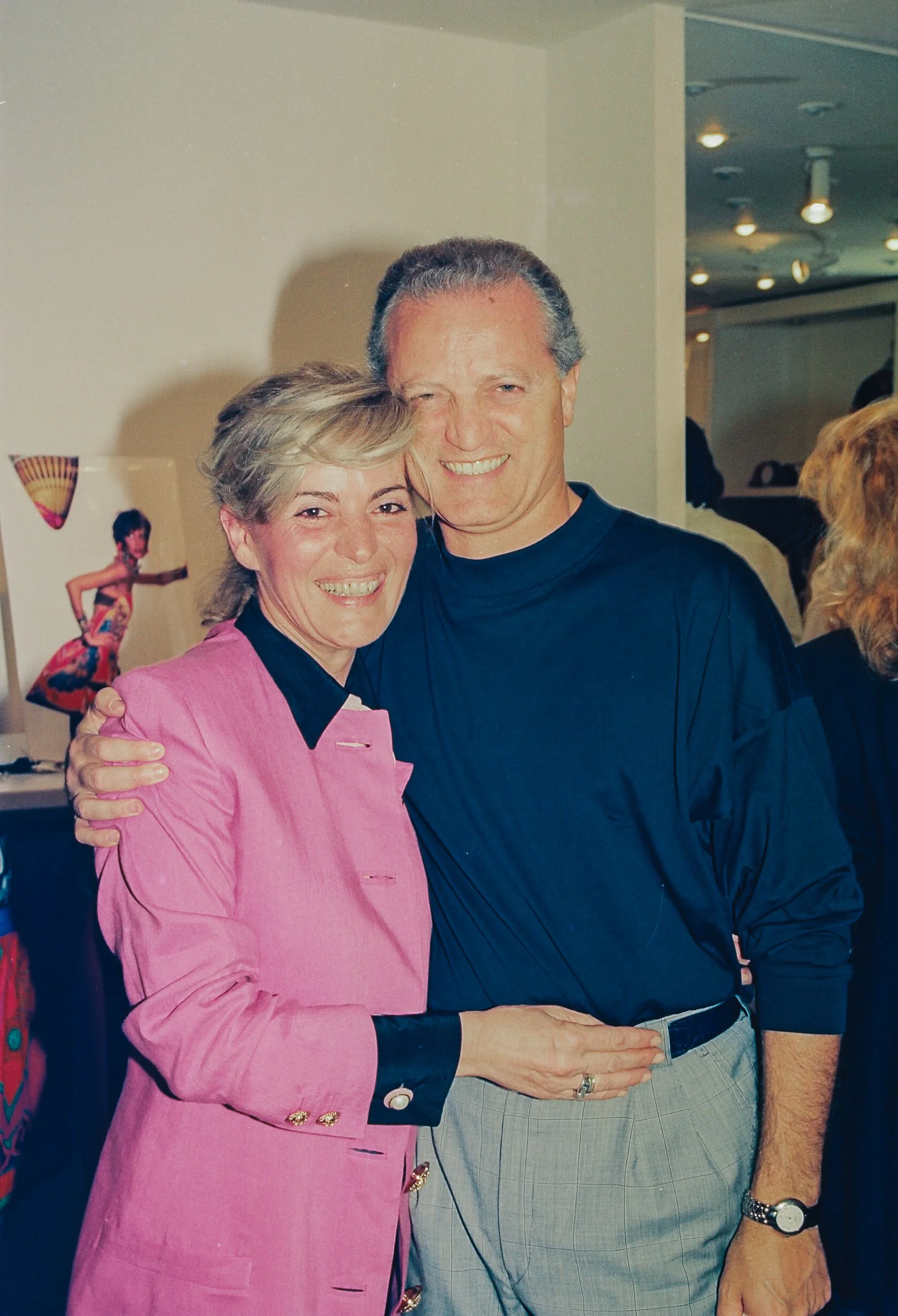
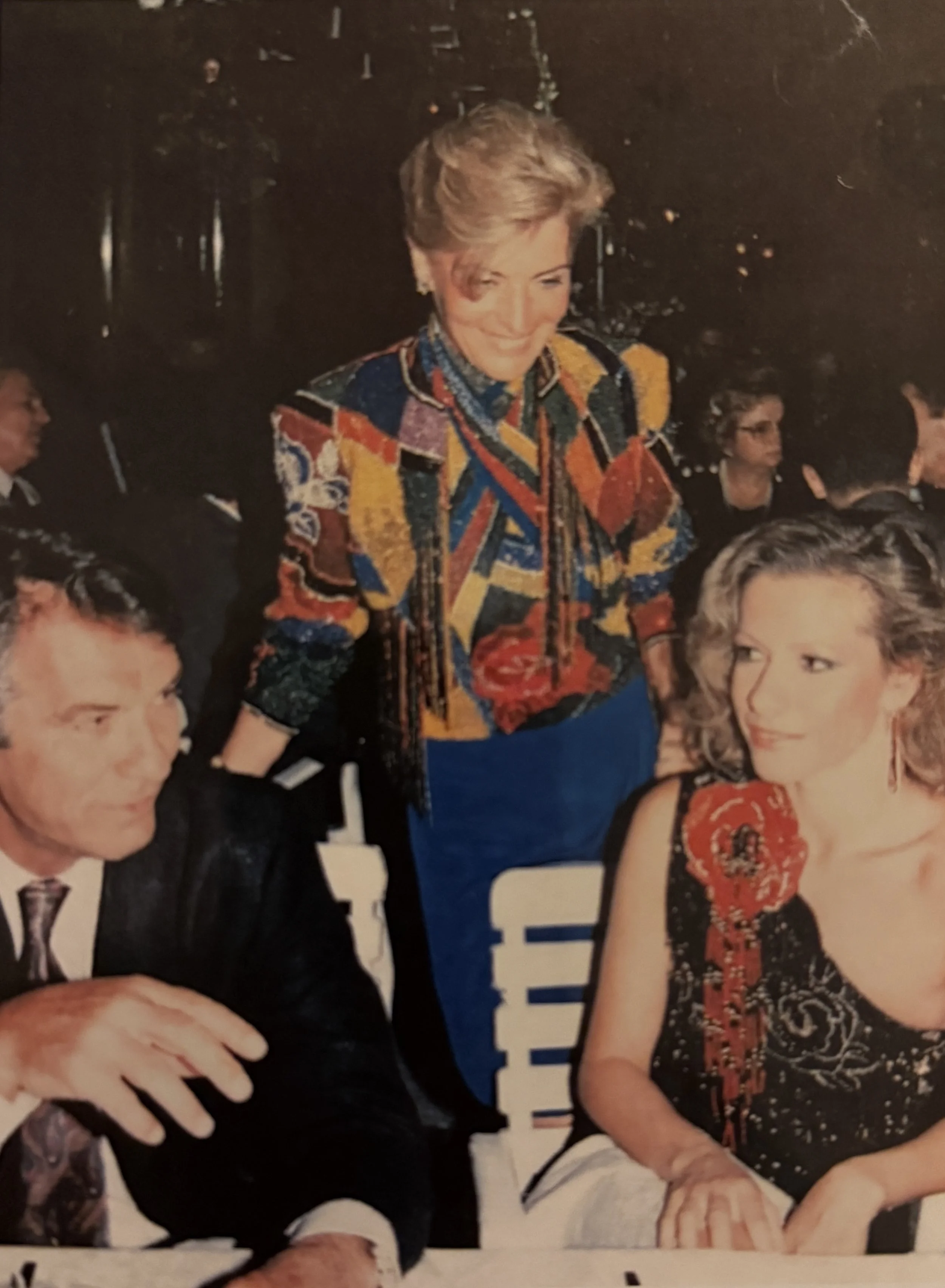
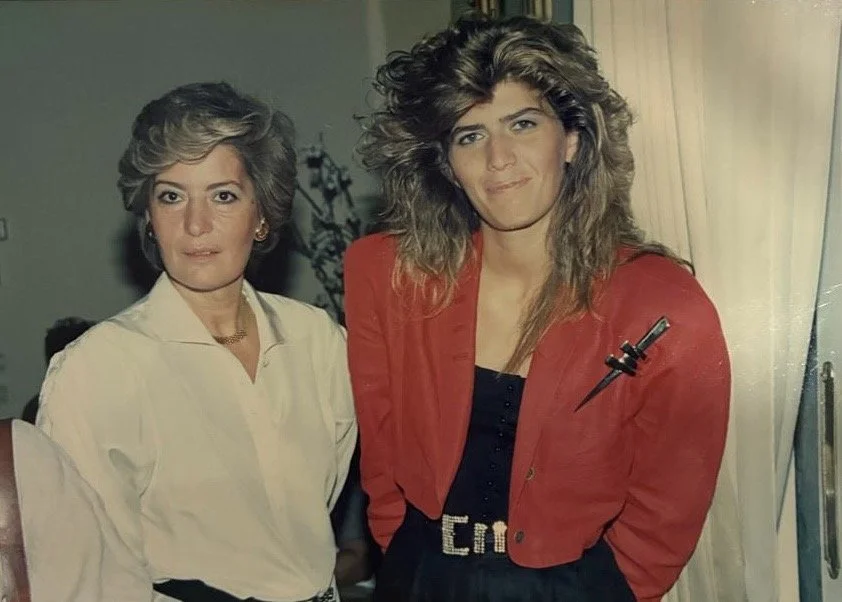
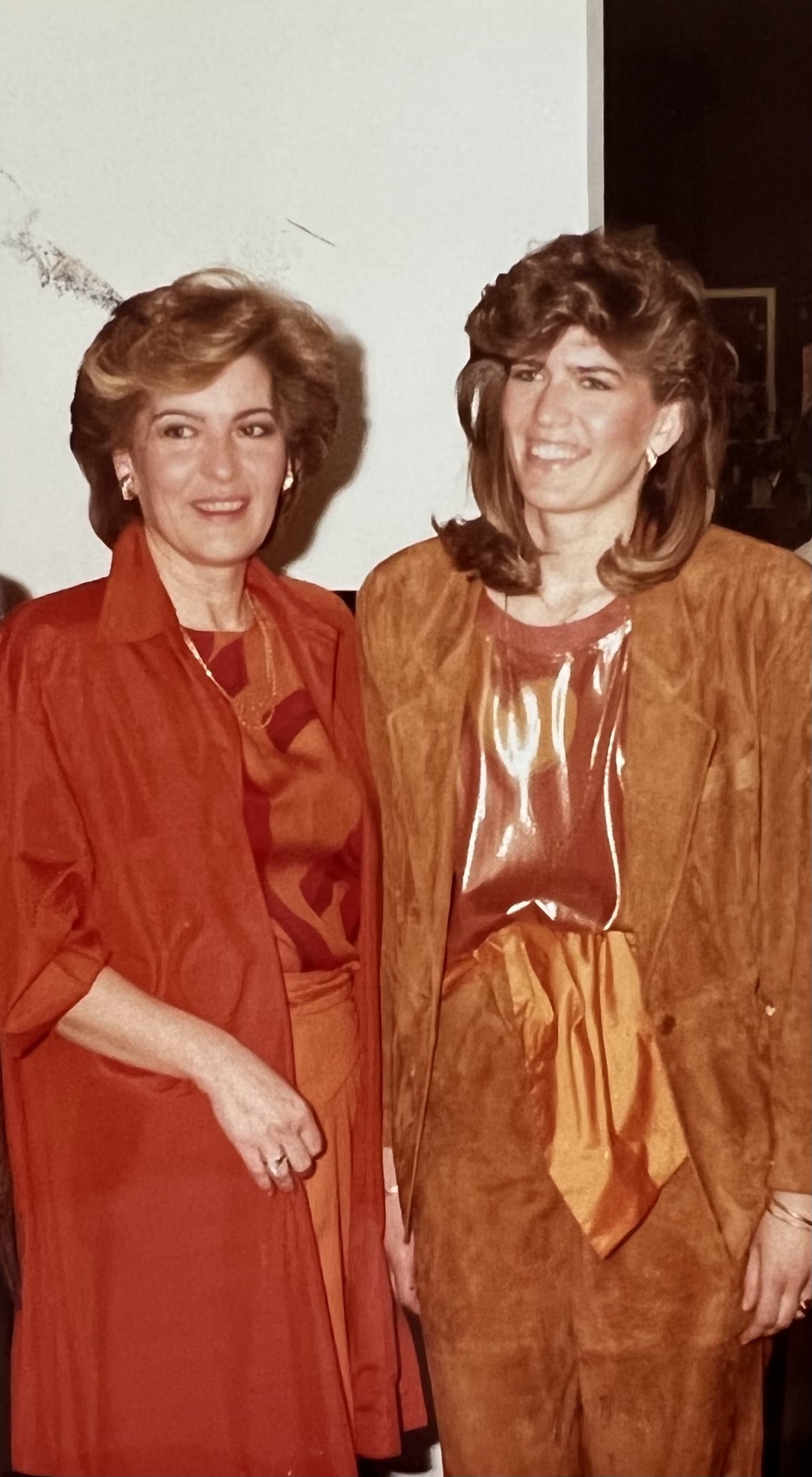
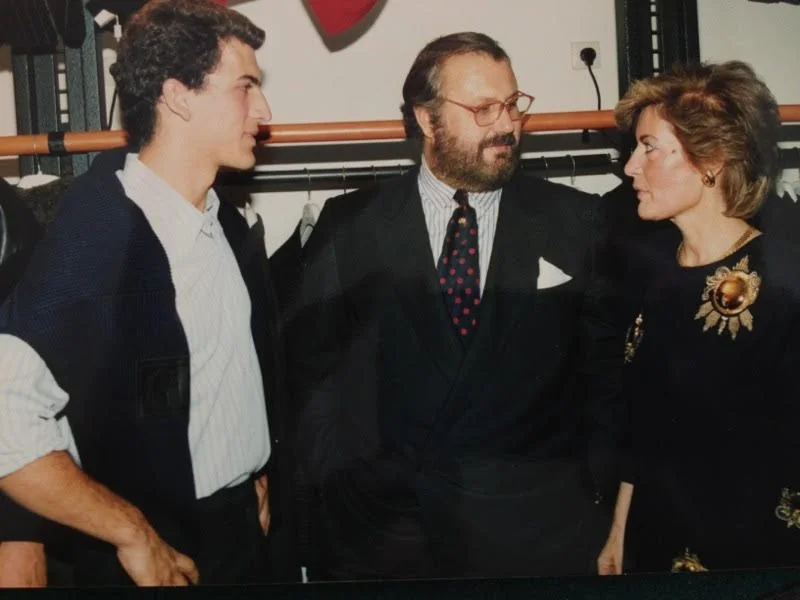
Eri Kakkava, Santo Versace with Cristiana and Iro Poniraki at Galeries Jade, Athens 1991
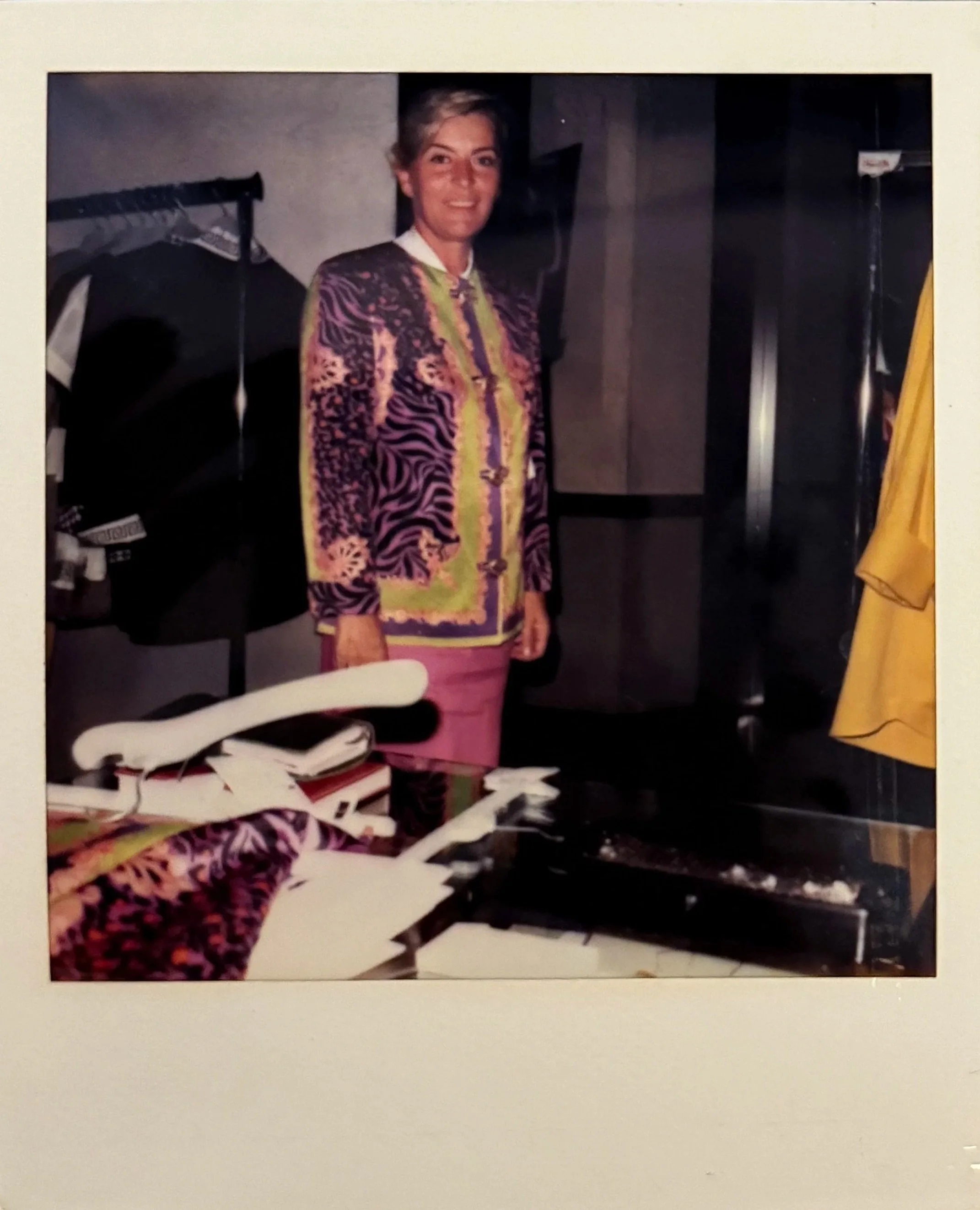
Over the following two decades, travelling regularly to Milan and Paris fashion weeks, she assembled an exceptional archive of Versace pieces: runway garments alongside unworn ready-to-wear, much of it still in pristine condition, tags intact.
When Versace died in 1997, the boutique closed and its remaining stock — largely Versace, but also select pieces by Gianfranco Ferré, Lacroix, Lanvin, Sonia Rykiel and Thierry Mugler — was relocated to a temperature-controlled facility in central Athens. For decades, Iro Poniraki, who had worked alongside her mother in the boutiques from a young age, took on the careful task of maintaining each garment. Together, the three generations of women have ensured the collection endured not just as clothing, but as cultural memory.
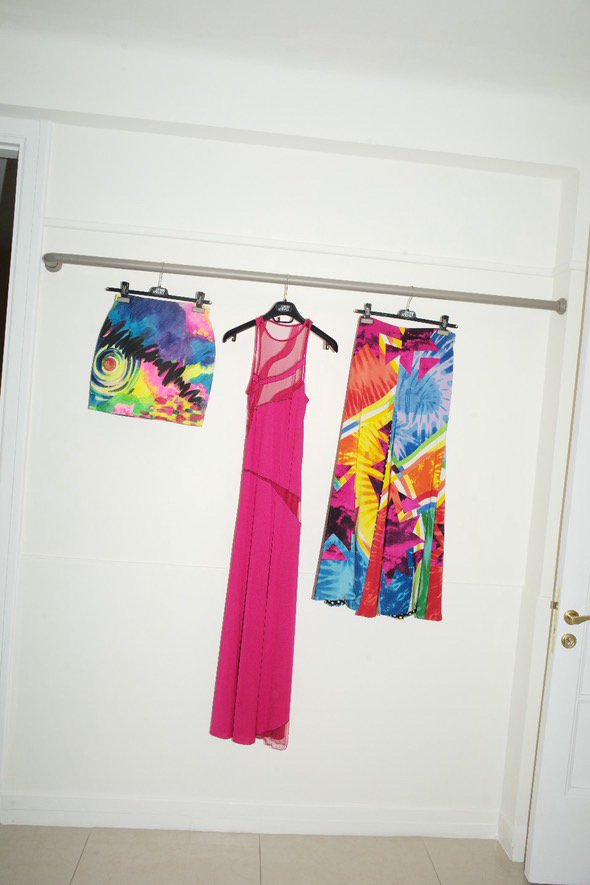
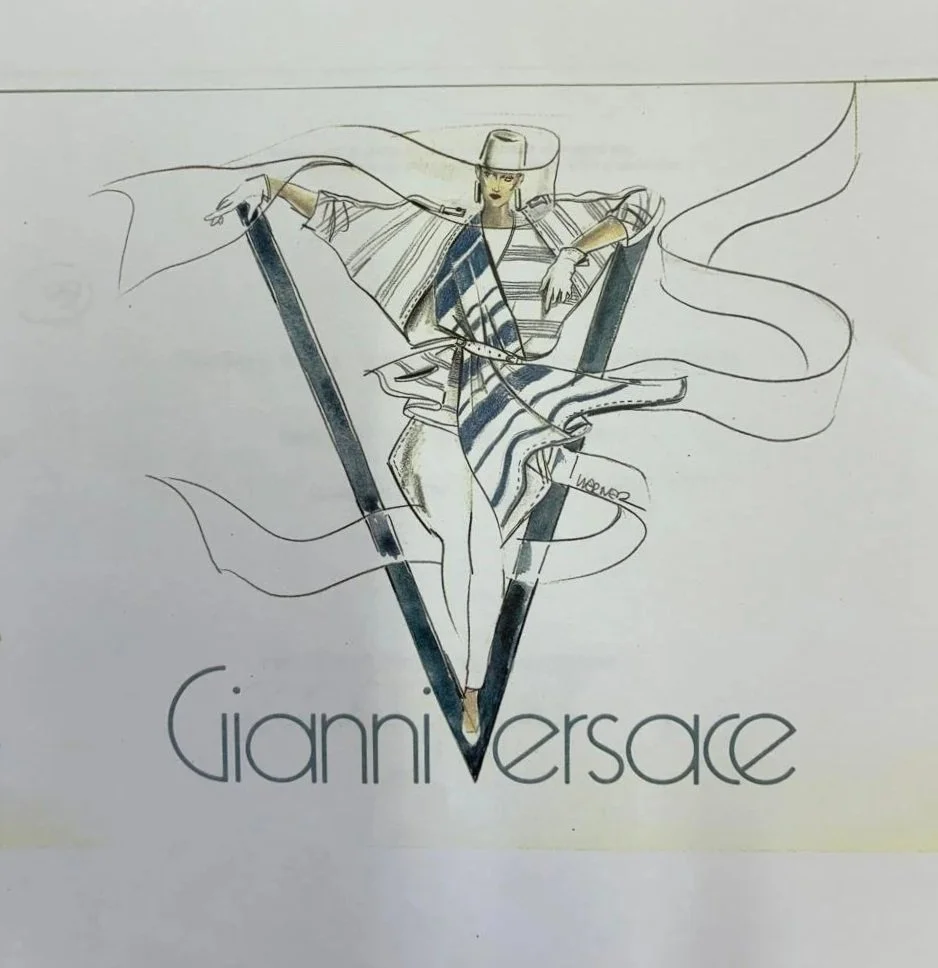
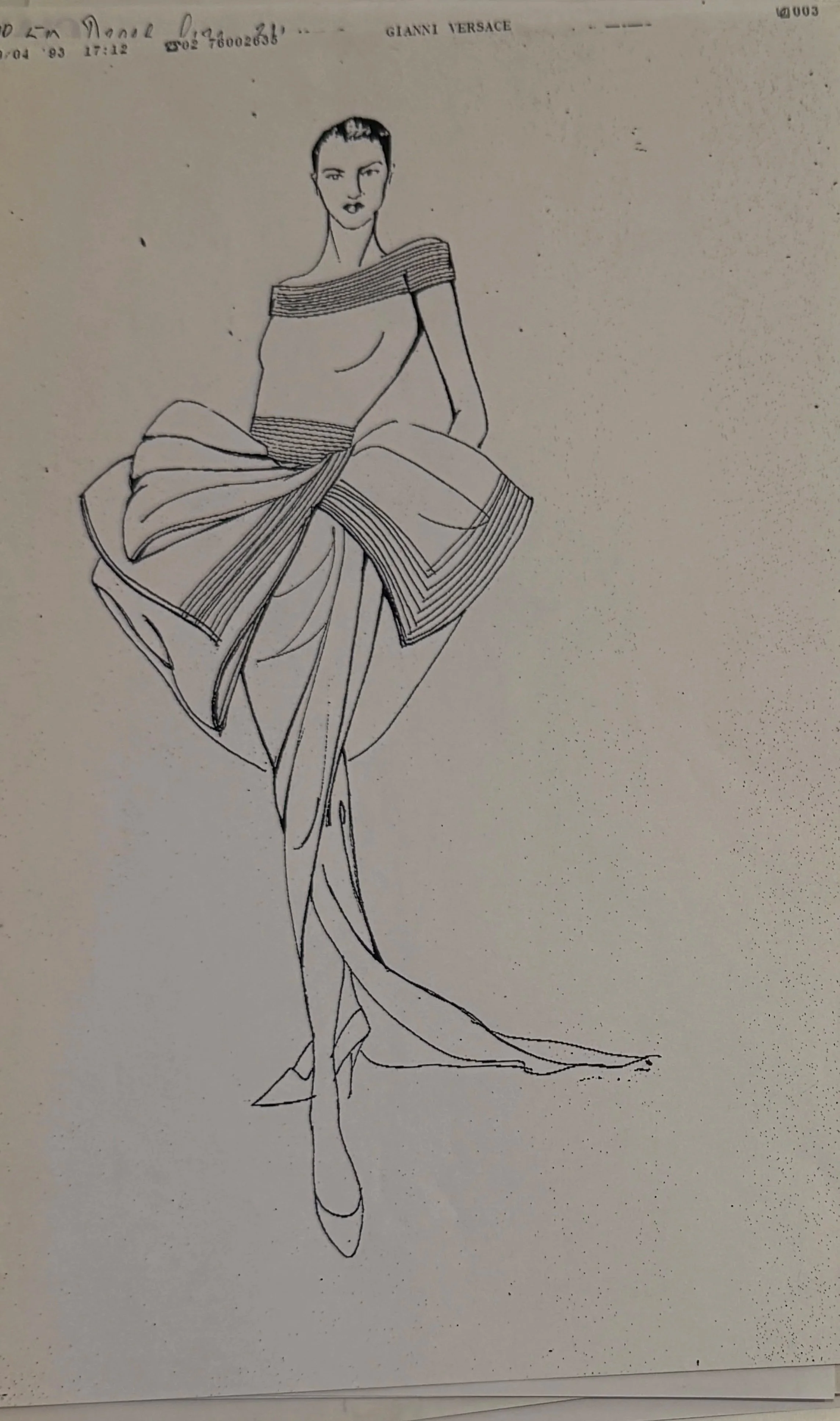
SS 1993 Hand painted prototype skirt ref Miami Collection
The archive is now stewarded by Eranthi Karamali, the third generation to carry it forward after her mother, Iro Poniraki, and grandmother before her. Her focus is twofold: safeguarding what came before, while opening the collection up to new audiences. Pieces are available to loan for exhibitions and institutional projects, including, in the past, a Gianni Versace retrospective in Berlin and the Versace retrospective at the Musée Maillol in Paris.
Beyond this, select garments are made available by private appointment, or through Mod Space — where a rotating edit of Versace pieces, alongside Eri's broader collection of vintage designer fashion from the same period, can be viewed and purchased.
For Eranthi, this personal inheritance and collection has grown into something broader: an ongoing study of fashion, memory and heritage.
Eri Kakkava, Iro Poniraki and Eranthi Karamali showcasing the archive for Versace Embodied shot by Liv Liberg 2026
COLLABORATE WITH THE ARCHIVE
Based in Athens, the collection works internationally and welcomes enquiries from those interested in engaging with its history, research potential and creative possibilities.
Alongside its institutional and creative collaborations, selected pieces are made available for private acquisition. These enquiries are handled individually, with consideration for each garment’s historical significance, provenance and place within the collection. A core group of pieces remains within the permanent archive, ensuring that its most significant material can continue to support future exhibitions and research.
For exhibition proposals, loan requests, editorial projects, research enquiries or private acquisitions, please get in touch with details of your project and requirements.
For all enquiries: contact@erikakkavacollection.com